Water Damage Restoration Pros Ohio
Get Estimate

Basement Flood Cleanup in Ohio Done Right the First Time

Fast extraction, structural drying, and mold prevention across the state


When your basement floods, every hour counts. Our Basement Flood Cleanup in Ohio crews pull standing water, dry the structure, and stop mold before it starts. We handle finished basements, crawl spaces, and utility rooms in Ashland, Bowling Green, Dover, Loveland, North Canton, and everywhere in between. One call gets a truck rolling to your door, day or night.

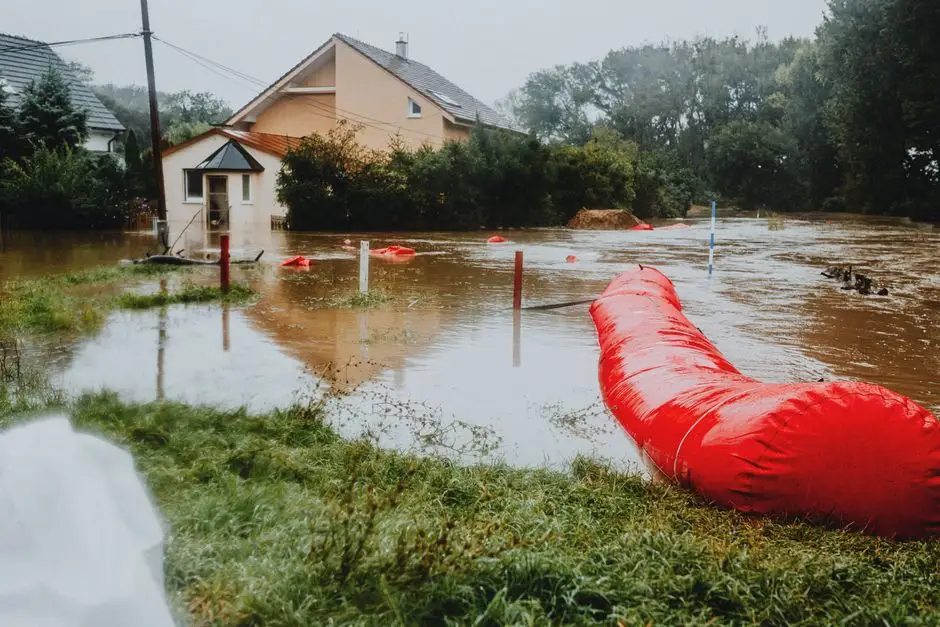
Flooded residential area protected by red flood barriers, showing severe weather impact.
Licensed Licensed & Bonded
Fully Insured Insured & Bonded
24/7 Emergency Same-Day Response
Warranty Backed Workmanship Guaranteed

What Basement Flood Cleanup Includes

Every Basement Flood Cleanup in Ohio job starts with an inspection and ends with a moisture-verified dry basement. The scope depends on water category, square footage, and how much material has to come out. Here is what is covered on a standard job, and what we handle as an add-on when the situation calls for it.

Emergency Water Extraction

We pull standing water with a truck-mounted water extractor and portable water pumps, including tight corners and crawl spaces. A wet/dry vacuum handles the last inch. Most basements are dry to the touch within two to four hours of arrival.
Moisture Mapping and Inspection

We use thermal imaging cameras, moisture meters, and a hygrometer to map exactly how far water has traveled. You get a clear scope before we start. Hidden moisture behind walls is the number one cause of mold callbacks.

Structural Drying Setup

Air movers and Dri-Eaz or Phoenix Restoration Equipment dehumidifiers dry the structure. We monitor daily and adjust placement. Desiccant units handle humid Ohio summers. Drying typically takes three to five days depending on materials.

Antimicrobial Treatment

We apply antimicrobial solutions to wet framing, concrete, and any salvageable materials. This buys you time while the structure dries and stops mold growth Ohio from taking hold in the first 48 hours. It is standard on every water loss.

Insurance Documentation

We log moisture readings, take photos, and format the scope in Xactimate. Your adjuster gets a clean file. We bill major carriers directly and can walk you through the claim if it is your first flood.

What Basement Flood Cleanup in Ohio Actually Involves


Basement Flood Cleanup in Ohio is the process of removing standing water, extracting saturated materials, and drying the structure to prevent mold and structural damage. It starts with a moisture survey using thermal imaging cameras and a hygrometer to map how far water has traveled. Then we extract with a truck-mounted water extractor or portable water pump, set air movers and dehumidifiers, and monitor daily until your basement hits dry standard. Most residential jobs take two to four days of active drying.

Ohio basements flood for predictable reasons: spring storms overwhelm sump pumps, winter freezes split pipes, and clay-heavy soil pushes groundwater through block walls. If you are searching for basement water removal in Ohio after heavy rain, you are not alone. We see it in every corner of the state. The key is getting extraction started within 24 to 48 hours, because mold growth Ohio can begin colonizing wet drywall and carpet in as little as 48 hours.

Our Basement Flood Cleanup Process

Every job follows the same proven sequence, whether we are in a Cleveland Heights bungalow or a newer build in Dublin. Here is what to expect from the first call to the final moisture check.

01

Schedule

Call or book online — a real human picks up and confirms a 2-hour arrival window.

02

Diagnose

Licensed tech inspects on-site, then walks you through the cause and your options.

03

Fix

The job is completed to code and done right the first time — no shortcuts, no surprises.

04

Guarantee

Every job backed by a written workmanship warranty — and we stand behind it.

Tools and Methods We Use

Tools & Equipment

Truck-Mounted Water Extractor

Pulls hundreds of gallons of standing water from basements fast. This is the first tool on the truck and the one that makes the biggest difference in the first hour.

Thermal Imaging Camera

Finds hidden moisture behind walls, under floors, and in ceiling cavities. We use it on every inspection so we are not guessing about the scope.

Moisture Meter and Hygrometer

Measures moisture content in materials and humidity in the air. We log readings daily and use them to decide when drying is actually complete.

Dri-Eaz and Phoenix Restoration Equipment Dehumidifiers

Pulls moisture out of the air and materials. Desiccant units handle humid Ohio summers, refrigerant units handle cooler months. We match the unit to the conditions.

Boroscope Camera

Inspects crawl spaces and wall cavities without tearing everything open. It lets us see what is wet before we commit to demolition.

Air Movers

Circulate air across wet surfaces to speed evaporation. Placement matters, and we adjust it daily based on moisture readings.

Methods & Standards

IICRC S500 Standard

The IICRC S500 is the industry standard for water damage restoration. It defines water categories, drying goals, and documentation requirements. We follow it on every job, which is why our drying reports hold up with insurance adjusters.

Psychrometric Drying

We calculate dew point and humidity ratios to set drying goals, not just run equipment and hope. This is what IICRC ASD training is for. It is the difference between a dry basement and a callback.

Xactimate Documentation

We format every scope in Xactimate, the same software most insurance adjusters use. Line items, photos, and moisture logs all match what they expect. Claims move faster and you get paid correctly.

Antimicrobial Application

We apply antimicrobial solutions to wet framing, concrete, and salvageable materials after extraction. This stops mold growth Ohio from starting while the structure dries. It is standard on every water loss, not an upsell.

When to Call for Basement Flood Cleanup

01

You come home to two inches of water in a finished basement after a spring storm.

What we do: We dispatch a crew within 60 to 90 minutes, extract the water, pull wet carpet and pad, and set drying equipment. We document everything for your insurance claim and monitor daily until dry standard is hit.

→ Your basement is dry in three to five days, mold is prevented, and your claim is filed with clean documentation.

02

A pipe freezes and splits at 2 a.m. in January while you are asleep.

What we do: We answer 24/7 and roll a crew immediately. We shut off the water, extract, and trace the water path through walls and ceilings. Drying equipment goes in the same night.

→ Water damage is contained to the basement, the pipe failure is documented for insurance, and you avoid a mold problem.

03

Sewage backs up into your basement utility room after heavy rain.

What we do: We arrive in full PPE, extract the contaminated water, remove affected materials, and treat the space with antimicrobial solutions. We dispose of waste properly and verify the area is clean before drying.

→ The contamination is removed safely, the space is sanitized, and your basement is dry and safe to use again.

04

You notice a musty smell and damp spots on the basement floor but no standing water.

What we do: We run a full inspection with thermal imaging cameras, moisture meters, and a hygrometer. We find the hidden moisture, identify the source, and set targeted drying equipment.

→ The hidden moisture is found and dried before mold takes hold, saving you a much larger remediation bill.

How Basement Flood Cleanup Runs in Ohio

Neighborhoods We Serve

  • Ohio City

    Older housing stock with stone and block foundations. Crawl space moisture and groundwater seepage are common after heavy rain.

  • German Village

    Historic brick homes with basements that were not designed for modern waterproofing. We handle the extraction and drying carefully to protect original materials.

  • Short North

    Mix of renovated older homes and new builds. Finished basements with carpet and drywall mean more material removal when water gets in.

  • Clintonville

    Tree-heavy neighborhood where root intrusion into drain lines causes backups. We see sewage backup calls here after storms.

Local Conditions We Plan For

  • Clay-heavy soil and block foundations

    Groundwater pushes through mortar joints and cracks during wet seasons. Extraction and drying have to account for water entering through walls, not just the floor.

  • Freeze-thaw cycles in winter

    Pipes in exterior walls and unheated basements split when temperatures drop. We see a spike in burst pipe calls from December through March.

  • Spring and summer storm surges

    Heavy rain overwhelms sump pumps and municipal storm systems. Basement flooding spikes across every Ohio metro from April through August.

  • High humidity in summer months

    Drying takes longer when outdoor humidity is high. We use desiccant dehumidifiers to compensate and keep drying on schedule.

Sump Pump Failure in Bowling Green

Before

A finished basement took on three inches of water after a spring storm knocked out power to the sump pump. Carpet, pad, and the bottom two feet of drywall were saturated. The homeowner called us at 6 a.m.

After

We extracted 180 gallons, removed the carpet and pad, and cut out the wet drywall. Drying equipment ran for four days. Moisture readings confirmed dry standard. The homeowner's insurance covered the restoration.

Maintenance: Install a battery backup sump pump and test it every spring before storm season. Keep the discharge line clear of debris and make sure it drains at least six feet from the foundation.

Before

A supply line froze and split in January while the family was on vacation. Water ran for two days before they got home. The basement ceiling was sagging and the floor was covered in standing water.

After

We shut off the water, extracted 250 gallons, and opened the ceiling to dry the joists. Antimicrobial solution was applied to the framing. Five days of drying hit the target. The claim was approved in a week.

Maintenance: Insulate exposed pipes in unheated spaces and keep the thermostat at 55 degrees or higher when you travel in winter. A water alarm near the water heater and sump pit gives you early warning.

Before

Heavy rain overwhelmed the municipal system and sewage backed up into a basement utility room and adjacent finished space. The homeowner tried a shop vac before calling us. The smell was overwhelming.

After

We arrived in full PPE, extracted the contaminated water, removed affected materials, and treated the space with antimicrobial solutions. Disposal was handled properly. Drying took three days. No odor remained.

Maintenance: Install a backwater valve on the main drain line to prevent municipal backups. Have your sewer line inspected every two years, especially if you have mature trees near the line.

Basement Flood Problems We Solve

Most basement floods fall into a handful of categories. We have seen them all, and we know how to handle each one without making the damage worse.

Problem

Sump pump failure during a storm

Water rises fast, often several inches in under an hour. Finished basements lose carpet, drywall, and furniture. Mold can start within 48 hours.

Our Fix

We extract immediately, pull saturated carpet and pad, and set drying equipment. We also document the sump failure for your insurance claim. If you need a Ohio Basement Flood Cleanup company for sump pump failure, this is the call to make.

Problem

Burst or frozen pipe in winter

A split pipe can run for hours before you notice. Water travels through walls and ceilings, not just the floor. Structural water damage can spread to two floors.

Our Fix

We shut off the source, extract standing water, and trace the water path with thermal imaging. Ceiling and wall cavities get opened and dried. We document the pipe failure so your claim is straightforward.

Problem

Sewage backup after heavy rain

Category 3 water is contaminated and hazardous. It requires full PPE, antimicrobial treatment, and proper disposal. A shop vac and garden hose make the contamination worse.

Our Fix

We handle basement water removal in Ohio for sewage backup with the right protective gear and disposal. Affected materials come out, the space gets treated, and we verify it is clean before drying equipment goes in.

Problem

Storm-driven groundwater seepage

Clay soil and block foundations let water in through cracks and mortar joints. It looks minor until you pull up the carpet and find mold on the framing.

Our Fix

We extract, dry the structure, and treat the affected areas. We also flag the entry points so you can address drainage or foundation sealing before the next storm.

Why Ohio Homeowners Call Us First

Why Ohio Homeowners Call Us First

Basement flooding is stressful, but the right crew makes it manageable. Here is what you get when you call us instead of waiting it out.

  • Water Out in Hours

    We roll 24/7, including holidays. A truck-mounted water extractor can pull hundreds of gallons from a finished basement in under two hours. You are not waiting until Monday for a callback while water wicks up your drywall.

  • Mold Stopped Early

    Mold growth Ohio starts fast in humid basements. We apply antimicrobial solutions and set desiccant dehumidifiers to pull moisture out of the air and materials. Catching it in the first 48 hours saves you thousands in remediation later.

  • Insurance Paperwork Handled

    We document everything with moisture meter readings, thermal images, and photo logs formatted for Xactimate. Your adjuster gets a clean file, which means your claim moves faster and you get paid what the job actually costs.

  • Dried to Standard, Not Guesswork

    We do not pack up when the floor looks dry. We use a hygrometer and moisture meter to confirm your basement hits dry standard before we pull equipment. That is how you avoid a callback flood two weeks later.

Licensed, Certified, and Documented

Licensed & Certified

  • IICRC WRT (Water Damage Restoration Technician) — issued by Institute of Inspection, Cleaning and Restoration Certification
  • IICRC ASD (Applied Structural Drying) — issued by Institute of Inspection, Cleaning and Restoration Certification
  • IICRC AMRT (Applied Microbial Remediation Technician) — issued by Institute of Inspection, Cleaning and Restoration Certification
  • Ohio Department of Health Mold Remediation License — issued by Ohio Department of Health
  • OSHA 10 Construction Safety — issued by Occupational Safety and Health Administration

Verified Reviews

Google ★★★★★4.9

Called at 11 p.m. after our basement flooded. A technician was at the door in about an hour. They pulled the water, set equipment, and checked readings every day. Dry in four days. Insurance claim was approved without any back-and-forth.

Yelp ★★★★★4.8

Sewage backup in our basement. They showed up in full gear and treated the whole space. It was not cheap, but they documented everything and our insurance covered most of it. No smell left behind and the space is usable again.

BBB ★★★★★4.9

Frozen pipe split in January. They handled the extraction and worked directly with our adjuster. The claim was approved in a week and the basement was dry in five days. Professional crew, no surprises on the bill.

Local Experience You Can Verify

Our technicians hold IICRC WRT and IICRC ASD certifications, which means they are trained in water damage restoration and structural drying science, not just pumping water. We also carry IICRC AMRT for mold remediation and follow Ohio Department of Health mold remediation license requirements. Every crew member has OSHA 10 training and knows how to work safely around electrical panels and sewage. We have dried everything from 1920s block-foundation basements in older Ohio neighborhoods to new construction in the suburbs. The tools change, the standard does not.

  • IICRC WRT and ASD certified technicians on every water loss crew.
  • Ohio Department of Health mold remediation license for every remediation job.
  • OSHA 10 trained crews, including confined space awareness for crawl spaces.
  • Xactimate-formatted documentation accepted by every major Ohio carrier.
  • Thermal imaging and moisture mapping on every inspection, no exceptions.
Get Started Today
Local Experience You Can Verify

What Ohio Homeowners Say

Real experiences from customers who chose our Basement Flood Cleanup services.

“Our sump pump died during a storm and we had four inches of water in a finished basement. The crew arrived in about an hour, pulled the water, and had drying equipment running that night. They checked moisture readings every day and showed me the numbers. Basement was dry in four days and no mold.”

D

Dana R.

Homeowner, Ashland

“A pipe froze and split in January while we were out of town. We came home to a flooded basement and a mess. They handled the extraction, worked with our insurance adjuster, and had the claim approved in a week. I did not have to chase anyone for paperwork.”

M

Marcus T.

Homeowner, Loveland

“Sewage backed up into our basement after heavy rain. They showed up in full protective gear, explained what they were doing, and treated the whole space with antimicrobial solution. It was not cheap, but they documented everything and our insurance covered most of it. No smell left behind.”

P

Priya S.

Homeowner, North Canton

Frequently Asked Questions About Basement Flood Cleanup in Ohio

Real answers to the questions we hear most often from local homeowners and property managers.

How much does Basement Flood Cleanup cost in Ohio?
Most residential jobs run $1,200 to $4,500 depending on water category, square footage, and how much material has to be removed. A small utility-room flood with clean water might land near $1,200. A finished basement with sewage backup and carpet removal can push past $4,500. We give you a written scope before we start, and we bill insurance directly when you file a claim.
Who offers basement water removal in Ohio near me?
We do, and we cover the whole state. Our crews run out of multiple Ohio metros, so a technician is usually on-site within 60 to 90 minutes. If you are in Ashland, Bowling Green, Dover, Loveland, or North Canton, we have a crew that knows your area. Call and we will tell you exactly who is coming and when.
How do I prevent basement flooding in Ohio?
Start with your sump pump. Test it every spring before storm season, and install a battery backup so you are covered when the power goes out. Keep gutters clear and extend downspouts at least six feet from the foundation. In older Ohio homes with block foundations, a dehumidifier running at 50 percent humidity keeps crawl space moisture from becoming a bigger problem.
Does insurance cover basement water removal in Ohio?
It depends on the source. Sudden and accidental events like burst pipes or a failed water heater are usually covered. Groundwater seepage and long-term neglect typically are not. We document the cause with photos and moisture readings so your adjuster has what they need. We work with every major Ohio carrier and can bill them directly.

Related Water Damage Services

Emergency Water Extraction

When your basement is holding inches of water, extraction comes first. We use truck-mounted water extractors and portable water pumps to pull standing water fast, then hand off to the drying phase. This is the first step of every Basement Flood Cleanup in Ohio job.

View Emergency Water Extraction

Flood Damage Cleanup

Storm-driven floods bring mud, debris, and contaminated water. We handle full flood damage cleanup, including antimicrobial treatment, material removal, and structural drying. If your basement flooded after a heavy Ohio rain, this is the service that gets it back to normal.

View Flood Damage Cleanup

Burst Pipe Water Cleanup

Frozen pipes are an Ohio winter staple. When one splits, water can run for hours before you notice. We shut off the source, extract the water, and dry the structure. We also document the pipe failure for your insurance claim so you are not paying out of pocket.

View Burst Pipe Water Cleanup

Sewage Backup Cleanup

Sewage backup is a category 3 water loss, which means it requires full PPE, antimicrobial solutions, and proper disposal. We handle basement water removal in Ohio for sewage backup safely and to code. Do not let a shop vac and a garden hose make this worse.

View Sewage Backup Cleanup

Storm Damage Water Removal

Ohio storms push water through windows, foundation cracks, and failed sump pumps. We respond 24/7 after severe weather and handle everything from extraction to structural drying. If your basement took on water during a storm, call before mold starts.

View Storm Damage Water Removal

Structural Drying and Dehumidification

Extraction gets the standing water. Drying gets the water you cannot see. We set air movers and dehumidifiers, monitor with a hygrometer and moisture meter, and do not stop until your basement hits dry standard. This is where mold prevention is won or lost.

View Structural Drying and Dehumidification

Get Basement Flood Cleanup in Ohio Today

Water sitting in your basement gets worse by the hour. We answer 24/7, dispatch a certified crew, and document everything for your insurance claim. Call now and we will tell you exactly when we will be there.

Call Now Call for Emergency Service

Contact Our Ohio Team

Call our 24/7 dispatch line and a live person answers, not a machine. We schedule emergency crews around the clock and routine inspections during business hours. Whether you are in Cleveland, Columbus, Cincinnati, or a small town in between, we will get a technician moving to your address and keep you posted on the ETA.

Or call us right now at (123) 456-7890 — we answer.

Water Damage Restoration Pros Ohio


  • Address

    Ohio

  • Hours

    Mon–Fri: 7AM – 7PM
    Sat: 8AM – 4PM
    Sun: Emergency Only
    24/7 Emergency Available

Call (123) 456-7890 Get Quote
Call Quote