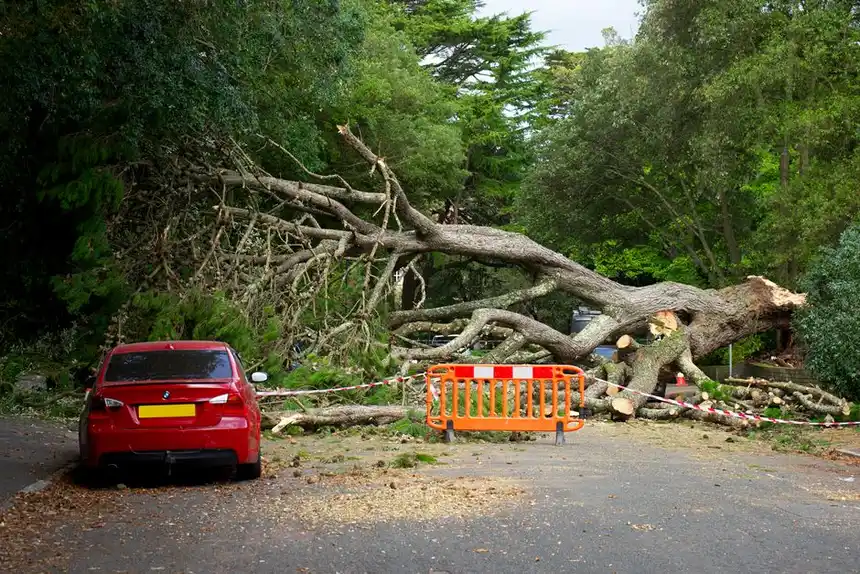
Emergency Water Extraction
Truck-mounted extractors and portable pumps pull standing water from basements, crawl spaces, and commercial floors. We remove carpet and pad when they cannot be dried in place.
Every storm water job starts with the same core scope: emergency extraction, moisture mapping, and structural drying. What changes is the add-on work, like sewage decontamination, mold remediation, or drywall repair. Here is what is standard on an Ohio storm loss.
Truck-mounted extractors and portable pumps pull standing water from basements, crawl spaces, and commercial floors. We remove carpet and pad when they cannot be dried in place.
Thermal imaging cameras and moisture meters map the full extent of the loss. You get a photo log and daily readings that support your insurance claim.
We apply antimicrobial solutions to framing, subfloor, and concrete after extraction. This slows mold growth while the structure dries, which matters in Ohio's humid summers.
Air movers and desiccant dehumidifiers are placed based on square footage and moisture readings. We may install plastic sheeting and a vapor barrier to contain the drying chamber.
A technician checks moisture meter and hygrometer readings every 24 hours. We do not remove equipment until the structure reads dry against an unaffected baseline.
Storm Damage Water Removal in Ohio is the process of extracting storm-driven water from a structure, mapping hidden moisture, and drying the building back to pre-loss readings. It starts with a moisture meter and thermal imaging camera survey, then a truck-mounted water extractor pulls the bulk water. From there we set air movers, dehumidifiers, and a hygrometer to track daily drying progress until your floors, framing, and drywall hit target numbers.
Ohio gets hit from every direction. Lake Erie squalls push water through basement windows in Avon Lake and Bay Village, while summer derechos and hurricane remnants drop four inches in an hour on Marietta and Portsmouth. That water finds every crack. If you wait, mold growth can start in 24 to 48 hours, and a finished basement turns into a gut job. We handle storm water extraction in Ohio for flooded homes and commercial buildings, usually arriving within 60 to 90 minutes of your call.
Every job follows the same five steps, whether it is a flooded storefront in Fremont or a crawl space in Oxford. Here is exactly what happens after you call.
Schedule
Call or book online — a real human picks up and confirms a 2-hour arrival window.
Diagnose
Licensed tech inspects on-site, then walks you through the cause and your options.
Fix
The job is completed to code and done right the first time — no shortcuts, no surprises.
Guarantee
Every job backed by a written workmanship warranty — and we stand behind it.
Truck-Mounted Water Extractor
Pulls hundreds of gallons per hour from flooded basements and commercial floors. Far faster than a portable wet/dry vacuum, which matters when water is still spreading.
Thermal Imaging Camera
Finds water behind walls and under floors that you cannot see. We use it during the initial survey to map the true extent of the loss.
Moisture Meter and Hygrometer
Measures moisture content in framing and relative humidity in the air. We log readings daily to prove the structure is drying toward dry standard.
Desiccant Dehumidifier
Pulls moisture out of the air in cool, damp conditions where refrigerant units struggle. Common on Ohio basement jobs in spring and fall.
Boroscope Camera
Lets us look inside wall cavities and ceiling voids without tearing them open. We confirm whether water traveled before we decide what to remove.
Air Mover
Circulates air across wet surfaces to speed evaporation. Placement is calculated by square footage, not guesswork.
IICRC S500 Drying Standard
We follow the IICRC S500 standard for water damage restoration, which sets the drying goals, equipment ratios, and documentation requirements. It is the benchmark insurance adjusters recognize.
Category-Based Water Classification
We classify the water as Category 1, 2, or 3 before we start. Clean rainwater is Category 1; sewage backup is Category 3 and requires full PPE and material removal. The category drives the whole scope.
Xactimate Estimating
We write estimates in Xactimate, the software most insurance carriers use. That means your adjuster can read our scope line by line, which speeds up approval and reduces back-and-forth.
Daily Drying Documentation
Every visit gets logged: moisture meter readings, hygrometer readings, equipment placement, and photos. If your carrier questions the scope, we have the paper trail to back it up.
01
What we do: We dispatch a crew with a portable water pump and truck-mounted extractor. We pull the bulk water, check the sump and drain hose, and set drying equipment before humidity spreads to the rest of the house.
→ Your basement is dry in three to four days, and your sump system gets a clear diagnosis so the next storm does not flood you again.
02
What we do: We treat it as a commercial loss: extract the water, remove damaged flooring and fixtures, apply antimicrobial, and run commercial dehumidifiers. We document everything for your business carrier.
→ You reopen in days instead of weeks, with a documented loss that supports your business interruption claim.
03
What we do: We shut off the water, extract from the ceiling cavity and floor, and dry the framing. A thermal imaging camera confirms the water did not reach the wall insulation.
→ The ceiling is dried without a full tear-out, and you avoid a mold claim in the spring.
04
What we do: We inspect with a moisture meter and boroscope camera, extract any pooled water, and dry the ceiling and joists. We also document the roof breach for your insurance adjuster.
→ The stain stops spreading, the framing dries, and your claim reflects the full extent of the damage, not just the visible spot.
Ohio storm damage follows the seasons. October and November bring Lake Erie gales that drive rain through basement windows in Avon Lake, Bay Village, and Amherst. Winter delivers ice dams and frozen pipes that crack and flood on the coldest nights. Spring and summer bring derechos, tornadoes, and hurricane remnants that dump inches of rain in hours on Marietta, Portsmouth, and Ironton. Building stock matters too: century-old homes in Bucyrus and Fremont have plaster walls and stone foundations that hold water differently than new construction in New Albany or Powell. We adjust drying plans for both. Ohio Department of Health mold remediation license rules kick in when water sits longer than 48 hours, and we hold that license. If you need storm water extraction in Ohio for flooded homes or commercial buildings, we bring the right equipment for your building type and the season.
Avon Lake shoreline
Lake Erie storm surges push water through basement windows and sump failures. We see this most in October and November gales.
Marietta riverfront
Ohio River flooding after hurricane remnants is a recurring loss. Ground-floor commercial spaces and older homes take on water fast.
Bucyrus older housing stock
Stone foundations and plaster walls hold moisture longer than modern construction. Drying timelines run a day or two longer here.
Oxford student rentals
Storm water in basements of older rental housing is common after spring storms. We document the loss for both landlord and tenant.
Lake Erie lake-effect storms
Drives rain sideways into basement windows and crawl space vents along the shoreline. Extraction and drying needs to start before the next system arrives.
Summer derechos and flash flooding
Drops several inches in under an hour, overwhelming sump pumps and municipal drains. Basements and crawl spaces flood fast, and mold risk is high in the heat.
Winter frozen pipe bursts
Cracked pipes release water inside walls and ceilings, often unnoticed for hours. Thermal imaging is essential to find the full extent of the loss.
Ohio River valley humidity
High summer humidity slows structural drying. We add desiccant dehumidifiers and extend monitoring to hit dry standard.
Storm water causes different damage depending on where it enters. These are the calls we run most often, and how we stop each one from turning into a bigger loss.
Problem
Standing water wicks up drywall, warps hardwood, and can reach your furnace or electrical panel within hours. Mold can start in 24 to 48 hours.
Our Fix
We pump and extract the water, remove unsalvageable carpet and pad, treat the concrete with antimicrobial, and set dehumidifiers. Most Ohio basements are dry in three to five days.
Problem
Category 3 water carries bacteria and viruses. Anything it touches, including drywall and insulation, has to go. The smell lingers for weeks if it is not treated.
Our Fix
Our crew suits up in full PPE, extracts the water, removes contaminated materials, and applies mold remediation chemicals. We document the loss for your insurance carrier.
Problem
Water pools above the ceiling until the drywall sags or collapses. It also travels along joists into adjacent rooms, so the visible stain is rarely the whole loss.
Our Fix
We drain the cavity, extract the water, and dry the framing with air movers. A boroscope camera confirms whether the moisture reached the wall cavity before we close anything up.
Problem
Crawl spaces stay humid long after the storm. Joists and subfloor absorb that moisture, and mold climbs into your floor system from below.
Our Fix
We pump the standing water, install a vapor barrier where needed, and run dehumidifiers until the joists read dry. It protects your floors and your indoor air quality.
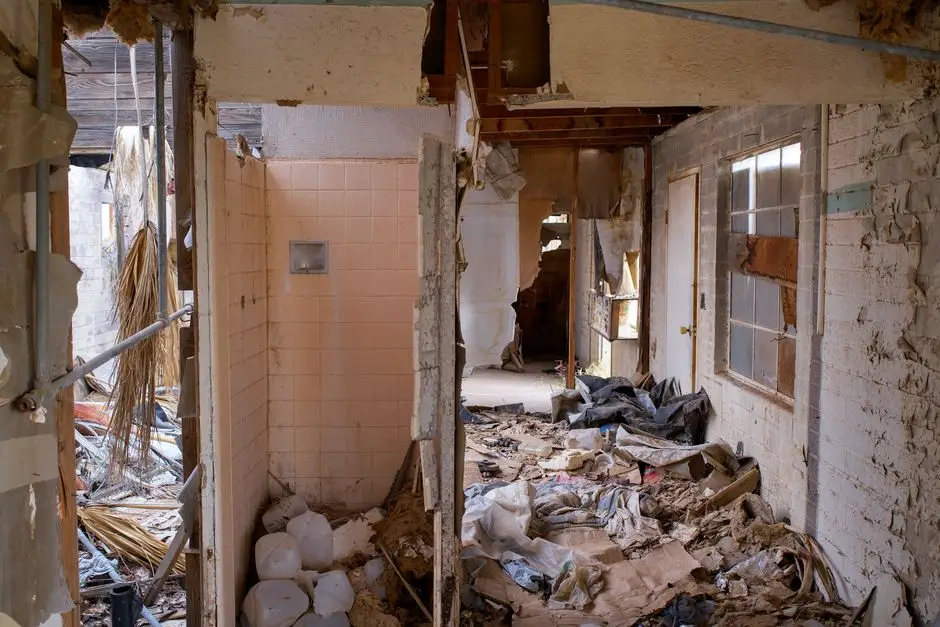
Storm water does not wait, and neither do we. Here is what you get when you call our team instead of a general handyman with a shop vac.
Faster Water Removal
A truck-mounted water extractor pulls hundreds of gallons per hour, far more than a portable wet/dry vacuum. On a typical Bucyrus basement with three inches of water, we are down to damp concrete in two to three hours instead of two days.
Documented Drying Logs
We log moisture meter and hygrometer readings every visit, so your insurance adjuster sees exactly when the structure hit dry standard. That documentation is the difference between a paid claim and a denied one after a severe weather water removal Ohio event.
Mold Prevention Built In
We apply antimicrobial solutions to framing and subfloor as soon as extraction is done. Mold can colonize wet drywall in 24 to 48 hours, so treating surfaces on day one saves you a separate mold remediation bill later.
Direct Insurance Billing
We write Xactimate estimates and bill most major carriers directly. You are not fronting $4,000 and waiting for reimbursement. We photograph everything, document the loss, and talk to your adjuster in the language they use.
Google ★★★★★4.9
Called at midnight after a storm flooded our basement. Crew was here in about an hour, extracted everything, and set up dryers. They handled the insurance paperwork and kept us updated every day. Basement was dry in four days.
Yelp ★★★★★4.8
Sewage backup during a storm surge. They suited up, removed the contaminated drywall, and treated everything. The smell was gone in two days. Professional and honest about what needed to be replaced.
BBB ★★★★★4.9
Our Marietta storefront flooded after hurricane remnants. They worked around our schedule, documented everything for our business claim, and got us reopened in eight days. Would call again without hesitation.
Our technicians hold IICRC WRT (Water Restoration Technician) and IICRC ASD (Applied Structural Drying) certifications, and several carry IICRC AMRT for mold work. That matters because Ohio Department of Health mold remediation license rules apply the moment water sits longer than 48 hours. We also follow OSHA 10 safety standards on every job and hold an Ohio contractors license. We have dried everything from century-old Marietta river houses to new-build commercial warehouses in New Albany.
We cover the whole state for storm water extraction in Ohio, with crews staged to reach both the Lake Erie shoreline and the Ohio River valley. From Avon Lake to Marietta and Oxford, we know the local building stock and the storm patterns that cause the most damage. Here are a few of the cities we serve.
Lake Erie gales push water through basement windows and overwhelm sumps in Avon Lake. We extract fast and dry the finished basements common along the shoreline.
Bucyrus homes with stone foundations and plaster walls hold storm water longer. We adjust drying timelines and monitor daily until the structure hits dry standard.
Summer storms and frozen pipe bursts both flood Fremont basements. We handle extraction, sewage backup cleanup, and structural drying in one visit.
Ohio River flooding after hurricane remnants hits Marietta storefronts and homes hard. We run commercial-grade extraction and document the loss for business carriers.
Older rental housing near Oxford floods easily after spring storms. We extract, dry, and document the loss for both landlords and tenants.
Real experiences from customers who chose our Storm Damage Water Removal services.
“A Lake Erie storm pushed water through our basement windows at 11 p.m. The crew arrived in about 75 minutes, pulled four inches of water out of the carpet, and had dehumidifiers running by 2 a.m. They logged readings every day and sent the whole file to our adjuster. Basement was dry in four days.”
Dana R.
Homeowner, Avon Lake
“Hurricane remnants flooded the ground floor of our riverfront building. Water Damage Restoration Pros Ohio handled storm water extraction in Ohio for two units at once, treated everything with antimicrobial, and worked directly with our commercial carrier. No mold, no tenant complaints, and the claim was paid.”
Marcus T.
Property Manager, Marietta
“Our sump failed during a July storm and the finished basement was under two inches of water. They extracted it, cut out the wet pad, and dried the drywall instead of tearing it all out. Saved us thousands compared to the quote we got from a general contractor. Honest crew.”
Elaine K.
Homeowner, Bucyrus
Real answers to the questions we hear most often from local homeowners and property managers.
When a storm drops water fast, emergency water extraction is the first step. We pull standing water with truck-mounted units before it spreads to adjacent rooms, then hand the job to our drying crew.
View Emergency Water ExtractionFlood damage cleanup covers the full scope after a storm: extraction, debris removal, antimicrobial treatment, and drying. It is the right call when storm water carries silt or contaminants into your Ohio home.
View Flood Damage CleanupBasement flooding is the most common storm call we get in Ohio. We pump the space, extract carpet and pad, treat the concrete, and set dehumidifiers so your basement does not turn into a mold problem.
View Basement Flood CleanupFrozen pipes crack in January and dump water just like a storm. Burst pipe water cleanup uses the same extractors and drying equipment, and we fix the moisture damage before it reaches your ceiling.
View Burst Pipe Water CleanupStorm surges overwhelm municipal lines and push sewage into basements. Sewage backup cleanup is a Category 3 loss, so we use full PPE, remove contaminated materials, and apply mold remediation chemicals after extraction.
View Sewage Backup CleanupExtraction gets the water out; structural drying gets the moisture out of the framing. We set air movers and desiccant dehumidifiers and track readings daily until your structure hits dry standard.
View Structural Drying and DehumidificationCall our 24/7 dispatch line and a live person answers, not a machine. We schedule emergency crews around the clock and routine inspections during business hours. Whether you are in Cleveland, Columbus, Cincinnati, or a small town in between, we will get a technician moving to your address and keep you posted on the ETA.
Phone
(123) 456-7890Address
Ohio
Hours
Mon–Fri: 7AM – 7PM
Sat: 8AM – 4PM
Sun: Emergency Only
24/7 Emergency Available