Water Damage Restoration Pros Ohio
Get Estimate

Crawl Space Water Removal in Ohio

We pump, dry, and treat flooded crawl spaces across Ohio


Crawl Space Water Removal in Ohio means getting standing water out of your foundation fast, then drying the joists, insulation, and vapor barrier so mold never gets a foothold. Our crews run crawl space water extraction in Ohio for flooded crawl spaces after heavy rain, burst pipes, and sump failures. We cover the whole state, 24/7, with truck-mounted extractors and moisture meters.

A municipal worker power washing stone steps outdoors, ensuring cleanliness and maintenance.
Licensed Licensed & Bonded
Fully Insured Insured & Bonded
24/7 Emergency Same-Day Response
Warranty Backed Workmanship Guaranteed

What Crawl Space Water Removal Includes

Every crawl space water removal job starts with a full assessment and ends with a verified dry standard. Here is what is covered in a standard service. If your job needs mold remediation, vapor barrier replacement, or structural repair, we will tell you upfront and price it separately.

Moisture Mapping and Assessment

We walk the crawl space with a moisture meter, thermal imaging camera, and hygrometer to find every wet zone. You get a written scope showing where the water is, how deep it sits, and what it will take to dry. This takes 30 to 45 minutes.
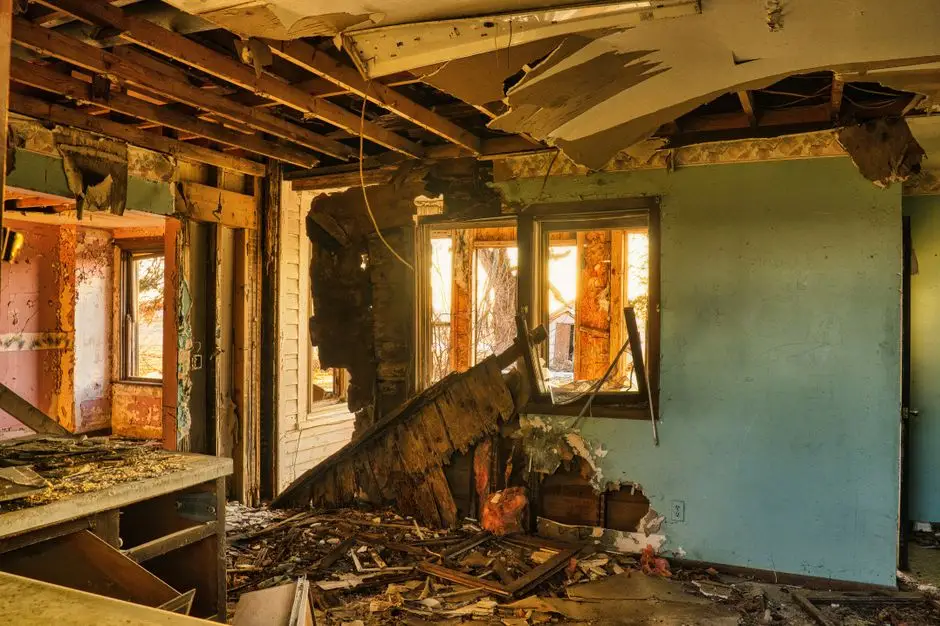
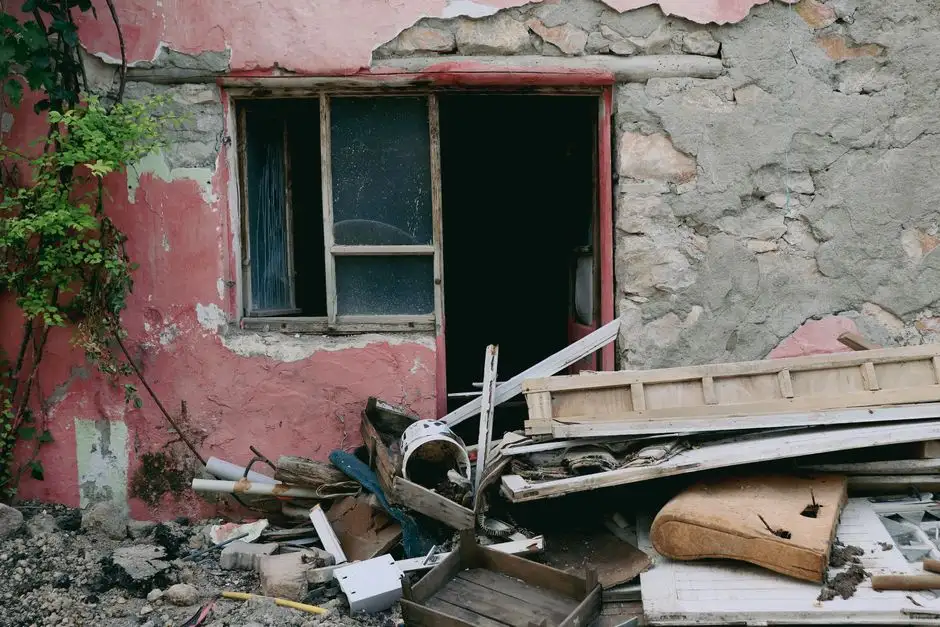
Standing Water Extraction

We pump standing water with a truck-mounted water extractor and portable water pump, then vacuum the low spots and vapor barrier with a wet/dry vacuum. A 1,000-square-foot crawl space with 4 inches of water typically clears in three to four hours.

Wet Material Removal

Saturated batt insulation, plastic sheeting, and debris come out in sealed bags. We check joists with a boroscope camera for hidden water pockets. Anything that cannot dry in place gets hauled away and disposed of properly.

Structural Drying

We set air movers and Dri-Eaz or Phoenix Restoration Equipment dehumidifiers to dry the joists, subfloor, and concrete. Desiccant units pull moisture from the air. We monitor daily with a hygrometer until wood moisture drops below 16%.

Antimicrobial Treatment

Once dry, we apply antimicrobial solutions to the framing, sill plates, and subfloor to stop mold growth. This is especially important in Ohio crawl spaces, where humidity stays high through summer. Treatment takes about an hour.

Vapor Barrier Repair

We repair or replace torn vapor barrier and seal the seams with duct tape or approved vapor barrier tape. A proper barrier keeps groundwater from wicking back into the joists. This step is what keeps your crawl space dry long after we leave.

Crawl Space Water Removal in Ohio


Crawl Space Water Removal in Ohio is the process of pumping standing water out of the foundation cavity, then drying the wood, concrete, and insulation until moisture readings match a dry baseline. It is not a shop-vac job. Water wicks up floor joists, saturates batt insulation, and pools under vapor barrier seams. We use truck-mounted water extractors, portable water pumps, and wet/dry vacuums to pull the bulk water, then set air movers and dehumidifiers to dry the structure.

Ohio homeowners call us for crawl space flooding cleanup Ohio after spring storms, when the water table rises and sump pumps quit. Older homes in canal towns and river cities flood from the ground up. We also handle Ohio Crawl Space Water Removal for vapor barrier issues, where a torn or missing barrier lets groundwater wick into the joists. Left alone, that moisture feeds mold growth within 24 to 48 hours.

What to Expect During Service

From the first call to the final moisture reading, here is how our crawl space water removal services Ohio customers move through the job. Most homes are dry in two to four days.

01

Schedule

Call or book online — a real human picks up and confirms a 2-hour arrival window.

02

Diagnose

Licensed tech inspects on-site, then walks you through the cause and your options.

03

Fix

The job is completed to code and done right the first time — no shortcuts, no surprises.

04

Guarantee

Every job backed by a written workmanship warranty — and we stand behind it.

Tools and Methods We Use

Tools & Equipment

Truck-mounted water extractor

Pulls large volumes of standing water fast. A truck-mounted unit clears a flooded crawl space in hours, not days, and handles the deep pools that portable units cannot.

Portable water pump

Reaches low spots and tight corners where the truck mount cannot go. We use it to finish the job after the bulk water is out.

Dri-Eaz and Phoenix Restoration Equipment dehumidifiers

Pull moisture from the air and structural materials. Desiccant units work in cool crawl spaces where refrigerant dehumidifiers lose efficiency.

Thermal imaging camera

Finds hidden moisture behind walls and under insulation without tearing anything apart. It shows us the full wet zone so we do not miss a spot.

Moisture meter and hygrometer

Measure wood moisture content and air humidity. We use them to set the dry standard and verify the job is complete before we pack up.

Boroscope camera

Lets us look inside wall cavities and under subfloor without cutting. We use it to check for hidden water pockets around joists and sill plates.

Methods & Standards

IICRC S500 drying standard

We follow the IICRC S500 standard for water damage restoration, which sets the drying goals and monitoring schedule. That means daily moisture readings, documented dry standards, and a written report at the end. It is the same standard insurance adjusters use to evaluate a claim.

Xactimate documentation

We format every loss in Xactimate, the estimating software most insurers use. Photos, moisture maps, and line items match what your adjuster expects, which speeds up claim approval and reduces back-and-forth.

Antimicrobial treatment protocol

After drying, we apply antimicrobial solutions to framing, sill plates, and subfloor. This stops mold growth on surfaces that were wet. We follow Ohio Department of Health mold remediation license requirements for any job involving existing mold.

Vapor barrier installation

We install or repair vapor barrier using approved plastic sheeting sealed at the seams with duct tape or vapor barrier tape. A proper barrier keeps groundwater from wicking back into the joists and is the key to long-term dryness.

When to Call for Crawl Space Water Removal

01

You see standing water under the house after a spring storm in Bay Village.

What we do: We pump the water with a truck-mounted extractor, remove wet insulation, and set air movers and dehumidifiers to dry the cavity. We also check the foundation vents and grading to find how the water got in.

→ Your crawl space is dry in two to three days, and you get a report showing final moisture readings plus recommendations to keep water out next storm season.

02

Your sump pump quit during a July downpour in Canal Winchester and the crawl space is flooded.

What we do: We respond 24/7, pump the standing water, and dry the joists and vapor barrier. We check the sump pit and drain line, and we document the loss for your insurance claim.

→ Water is out the same day, the structure is dry in three days, and you know exactly what failed so you can replace the pump before the next storm.

03

You smell musty air in the house and find damp joists in Green with no visible standing water.

What we do: We inspect with a thermal imaging camera and moisture meter to map the hidden moisture. Then we dry the framing, treat it with antimicrobial solutions, and repair the vapor barrier if it is torn.

→ The musty smell is gone, wood moisture drops below 16%, and mold never gets a chance to colonize the framing.

04

A pipe froze and burst under your Portsmouth home in January, and water is pooling in the crawl space.

What we do: We shut off the water, extract the standing water, and dry the subfloor and joists. We check the rest of the plumbing for freeze damage and document everything for your claim.

→ The crawl space is dry in two to four days, and you have the paperwork your adjuster needs to cover the repair.

How Crawl Space Water Removal Runs in Ohio

Ohio crawl spaces flood differently depending on where you live. In lakefront towns like Bay Village and Avon Lake, high water tables and clay soil push groundwater up through foundation seams after heavy rain. In river cities like Portsmouth and Marietta, spring flooding sends water into crawl spaces from the ground up. Older housing stock in canal towns like Canal Winchester and Circleville often has no vapor barrier at all, so joists stay damp year-round. We adjust our approach to each situation. For crawl space water extraction in Ohio after heavy rain, we pump fast and dry the cavity before mold can take hold. For Ohio Crawl Space Water Removal company for vapor barrier issues, we remove the old barrier, dry the soil, and install a new one sealed at the seams. Winter adds frozen pipes to the list, especially in homes with unheated crawl spaces. We carry EPA Lead-Safe practices for pre-1978 housing and follow Ohio Department of Health mold remediation license rules on every job.

Neighborhoods We Serve

  • Bay Village lakefront

    High water table and clay soil push groundwater into crawl spaces after storms. We see this most in homes within a few blocks of Lake Erie.

  • Canal Winchester historic district

    Older homes often lack vapor barriers, so joists stay damp even without standing water. We install new barriers as part of most jobs here.

  • Green residential subdivisions

    Sump pump failures are common during summer downpours. We check the pit and drain line on every call in this area.

  • Portsmouth riverfront

    Spring flooding from the Ohio River sends water into crawl spaces from the ground up. We pump and dry fast to beat mold growth.

  • Monroe township properties

    Rural homes on well and septic systems often have crawl spaces with poor drainage. We check grading and foundation vents on every job.

Local Conditions We Plan For

  • High water table in spring

    Groundwater rises into crawl spaces from March through May. We pump standing water and dry the cavity before mold colonizes, typically within 48 hours of the call.

  • Frozen pipes in unheated crawl spaces

    January and February freezes burst pipes under the house. We handle these as emergency calls, shut off the water, and dry the structure the same day.

  • Summer humidity above 70%

    Ohio summers keep crawl spaces damp even without standing water. We run desiccant dehumidifiers longer and verify wood moisture stays below 16% before we leave.

  • Clay soil and poor drainage

    Clay holds water against the foundation, forcing it through seams and vents. We check grading and recommend fixes to keep water out after we dry the crawl space.

Flooded Crawl Space in Bay Village

Before

A spring storm pushed four inches of water into a 1,200-square-foot crawl space. The vapor barrier was floating, insulation was soaked, and the homeowner could smell musty air upstairs. Wood moisture readings hit 28% on the joists.

After

We pumped the water in three hours, removed the wet insulation, and dried the cavity over three days. Final readings showed 12% wood moisture content. We installed a new vapor barrier sealed at the seams and treated the framing with antimicrobial.

Maintenance: The homeowner checks the sump pump monthly and keeps gutters clear to direct water away from the foundation. We recommend a moisture meter check each spring.

Before

A pipe froze and burst in January, dumping water into the crawl space overnight. The subfloor was saturated, and water had started to wick into the living room hardwood. The homeowner called at 6 a.m.

After

We shut off the water, extracted the standing water by 9 a.m., and set dehumidifiers and air movers. The crawl space was dry in two days, and the hardwood was saved with targeted drying. Final moisture readings were under 14%.

Maintenance: We recommended insulating the exposed pipe and adding a heat tape. The homeowner now leaves a trickle running during hard freezes.

Before

A slow leak had kept the crawl space damp for weeks. Mold was starting on the joists, and the homeowner noticed a musty smell in the kitchen. Moisture readings were 22% on the sill plates.

After

We removed the affected insulation, treated the framing with antimicrobial solutions, and dried the cavity over four days. Final readings dropped below 13%. The musty smell was gone, and no mold returned in the follow-up check.

Maintenance: We installed a new vapor barrier and recommended a dehumidifier for the crawl space during summer. The homeowner runs it from June through September.

Crawl Space Water Problems We Solve

Crawl space water shows up in different ways depending on your home and the weather. Here are the most common problems we fix for Ohio homeowners, and what happens if you leave them alone.

Problem

Standing water after heavy rain

Water wicks up floor joists and saturates insulation, leading to mold growth within 24 to 48 hours. Floors upstairs start to feel spongy and heating ducts pull damp air into living spaces.

Our Fix

We pump the water out with a truck-mounted extractor, remove wet insulation, and dry the cavity with air movers and dehumidifiers. Most jobs are dry in two to four days, and we verify with moisture meter readings before we leave.

Problem

Sump pump failure during a storm

A failed sump pump lets the water table rise into the crawl space unchecked. Water can reach 6 to 12 inches deep in a few hours, soaking the vapor barrier and lower joists.

Our Fix

We respond 24/7, pump the standing water, and dry the structure. We also check the sump pit and drain hose so you know what failed. If the pump needs replacing, we tell you what to buy and how to install it.

Problem

Vapor barrier torn or missing

Without a vapor barrier, groundwater wicks into the joists year-round. Wood stays damp, mold grows, and your energy bills climb because the crawl space pulls heat from the house.

Our Fix

We remove the old barrier, dry the soil surface, and install a new vapor barrier sealed at the seams. This stops the wicking cycle and keeps the crawl space dry through Ohio's humid summers.

Problem

Burst pipe under the house

A burst pipe dumps water directly into the crawl space. In winter, frozen pipes are the usual culprit. Water can soak the subfloor and insulation before you notice anything upstairs.

Our Fix

We shut off the water, extract the standing water, and dry the joists and subfloor. We document the loss for your insurance claim and check for frozen pipes elsewhere in the house before we leave.

Why Ohio Homeowners Call Us First

Why Ohio Homeowners Call Us First

Standing water in a crawl space does not wait. Every hour it sits, wood swells, insulation sags, and mold spores colonize. Here is what our crawl space water removal services Ohio customers get when they call.

  • Water Out Fast

    We pull standing water with a truck-mounted water extractor and portable water pump, often clearing a 6-inch-deep crawl space in two to four hours. That speed protects joists, subfloor, and ductwork from further saturation and keeps secondary damage from spreading into your living space.

  • Mold Prevention

    Crawl space water extraction in Ohio for mold prevention means drying the cavity below 16% wood moisture content before we leave. We treat framing with antimicrobial solutions and set desiccant dehumidifiers to pull humidity out of the air. Mold needs 24 to 48 hours of wetness to take hold; we beat that clock.

  • Structural Protection

    Saturated floor joists sag, and sagging joists mean bouncy floors and cracked drywall upstairs. We use moisture meters and a hygrometer to map the wet zone, then dry it evenly. Catching structural water damage early saves you from sistering joists or replacing subfloor later.

  • Insurance Help

    We document every affected area with photos, moisture readings, and a thermal imaging camera scan, then format the loss in Xactimate so your adjuster sees exactly what happened. Most burst pipe and storm damage claims cover crawl space water extraction in Ohio; we give you the paperwork to prove it.

Licensed, Certified, and Insured

Licensed & Certified

  • IICRC WRT (Water Restoration Technician) — issued by IICRC
  • IICRC ASD (Applied Structural Drying) — issued by IICRC
  • IICRC AMRT (Applied Microbial Remediation Technician) — issued by IICRC
  • Ohio Department of Health mold remediation license — issued by Ohio Department of Health
  • EPA Lead-Safe Certified Firm — issued by U.S. EPA

Verified Reviews

Google ★★★★★4.9

They pumped our flooded crawl space in Bay Village the same day we called. The crew was professional and showed us the moisture readings each day. The vapor barrier replacement was done right, and the price matched the quote.

Yelp ★★★★★4.8

A pipe burst under our Canal Winchester house on a Sunday. They answered at 11 p.m. and had a crew out by 1 a.m. Water was out before sunrise. The insurance paperwork was handled for us, which saved a lot of stress.

BBB ★★★★★4.9

We had mold starting on the joists in Portsmouth. They removed the wet insulation, treated everything, and dried it out over three days. The final report showed readings under 14%. The musty smell is gone and the floors feel solid again.

Crawl Space Water Removal Expertise

Our technicians hold IICRC WRT and IICRC ASD certifications, and several carry IICRC AMRT for mold work. We train on Ohio Department of Health mold remediation license requirements and follow OSHA 10 jobsite safety on every crawl space job. We have dried crawl spaces in canal towns, river cities, and lakefront communities across Ohio, and we know how each one floods differently. Every job starts with a moisture map and ends with a verified dry standard.

  • IICRC WRT and IICRC ASD certified technicians on every crawl space crew
  • Ohio Department of Health mold remediation license for affected framing and insulation
  • OSHA 10 safety training for confined-space crawl work
  • Xactimate-certified documentation for insurance claims
  • EPA Lead-Safe practices for pre-1978 Ohio housing stock
Get Started Today
Crawl Space Water Removal Expertise

What Ohio Homeowners Say

Real experiences from customers who chose our Crawl Space Water Removal services.

“Our crawl space took on four inches of water after a spring storm. The crew arrived in under two hours, pumped it out, and set up dehumidifiers. They showed me the moisture meter readings each day and did not leave until the wood was dry. The vapor barrier replacement was included in the quote, no surprise charges.”

D

Dana R.

Homeowner, Bay Village

“A pipe burst under the house on a Sunday night. I called at 11 p.m. and a technician answered. They were at my door by 1 a.m. and had the water out before sunrise. The Xactimate report made my insurance claim easy. I would call them again without hesitation.”

M

Marcus T.

Homeowner, Canal Winchester

“We had mold starting on the joists from a slow crawl space leak. They removed the wet insulation, treated everything with antimicrobial, and dried it out over three days. The final report showed moisture readings under 14%. Our floors feel solid again and the musty smell is gone.”

P

Priya S.

Homeowner, Portsmouth

Frequently Asked Questions

Real answers to the questions we hear most often from local homeowners and property managers.

How much does Crawl Space Water Removal cost in Ohio?
Most crawl space water removal jobs in Ohio run $500 to $2,500, with typical 2026 pricing around $1,200 for a standard 1,000-square-foot crawl space. Cost depends on water depth, how much insulation and vapor barrier needs replacing, and whether mold treatment is required. Emergency calls and after-hours work add to the total. We give you a written price before we start pumping.
Who offers crawl space water extraction in Ohio?
Water Damage Restoration Pros Ohio offers crawl space water extraction in Ohio statewide, with crews covering cities from Bay Village to Portsmouth. We handle everything from standing water removal to structural drying and vapor barrier repair. Call (123) 456-7890 and we will route the nearest available crew to your address, 24/7.
How do I dry out a crawl space in Ohio?
Pump the standing water first, then remove saturated insulation and debris, then run air movers and dehumidifiers until wood moisture drops below 16%. A wet/dry vacuum handles shallow pools; a portable water pump handles deeper water. Most Ohio crawl spaces take two to four days to dry fully. We use moisture meters and a hygrometer to confirm the dry standard before we leave.
Does insurance cover crawl space water extraction in Ohio?
Most Ohio policies cover crawl space water extraction when the water came from a burst pipe, appliance failure, or storm damage. Groundwater flooding and long-term moisture are usually excluded. We document the loss with photos, moisture readings, and an Xactimate scope to support your claim. Call your adjuster first, then call us; we will work with them directly.

Related Services

Emergency Water Extraction

When your crawl space floods at 3 a.m., our emergency water extraction crew responds 24/7. We pump standing water with truck-mounted extractors and portable pumps, then start drying immediately. This is the first step in most crawl space water removal jobs across Ohio.

View Emergency Water Extraction

Flood Damage Cleanup

Flood damage cleanup goes beyond pumping water. We remove contaminated debris, treat framing with antimicrobial solutions, and dry the structure. If your crawl space flooded after a storm, this service pairs with crawl space water extraction in Ohio to restore the whole cavity.

View Flood Damage Cleanup

Basement Flood Cleanup

Basement flooding and crawl space water often happen together. When the water table rises, both spaces take on water. We handle basement flood cleanup and crawl space water removal in the same visit, so you are not paying two call-out fees for one storm.

View Basement Flood Cleanup

Burst Pipe Water Cleanup

A burst pipe under the house dumps water straight into the crawl space. We shut off the line, extract the water, and dry the joists and insulation. Most burst pipe water cleanup jobs include crawl space water extraction in Ohio because gravity pulls the water down.

View Burst Pipe Water Cleanup

Sewage Backup Cleanup

Sewage backup in a crawl space is a category 3 loss. We remove contaminated water, dispose of affected materials, and disinfect the cavity with mold remediation chemicals. This is a more involved job than standard crawl space water removal, but we handle both.

View Sewage Backup Cleanup

Storm Damage Water Removal

Ohio storms push water through foundation vents, window wells, and failed sump pumps. Our storm damage water removal crews extract that water and dry the crawl space before mold sets in. We also tarp roofs and board windows if the storm damaged the house above.

View Storm Damage Water Removal

Get Crawl Space Water Removal in Ohio Today

Standing water in your crawl space will not dry on its own. Call (123) 456-7890 and we will dispatch a crew to pump, dry, and treat your crawl space. We answer 24/7 and give you a written price before we start.

Call (123) 456-7890 Call Now

Contact Our Ohio Team

Call our 24/7 dispatch line and a live person answers, not a machine. We schedule emergency crews around the clock and routine inspections during business hours. Whether you are in Cleveland, Columbus, Cincinnati, or a small town in between, we will get a technician moving to your address and keep you posted on the ETA.

Or call us right now at (123) 456-7890 — we answer.

Water Damage Restoration Pros Ohio


  • Address

    Ohio

  • Hours

    Mon–Fri: 7AM – 7PM
    Sat: 8AM – 4PM
    Sun: Emergency Only
    24/7 Emergency Available

Call (123) 456-7890 Get Quote
Call Quote