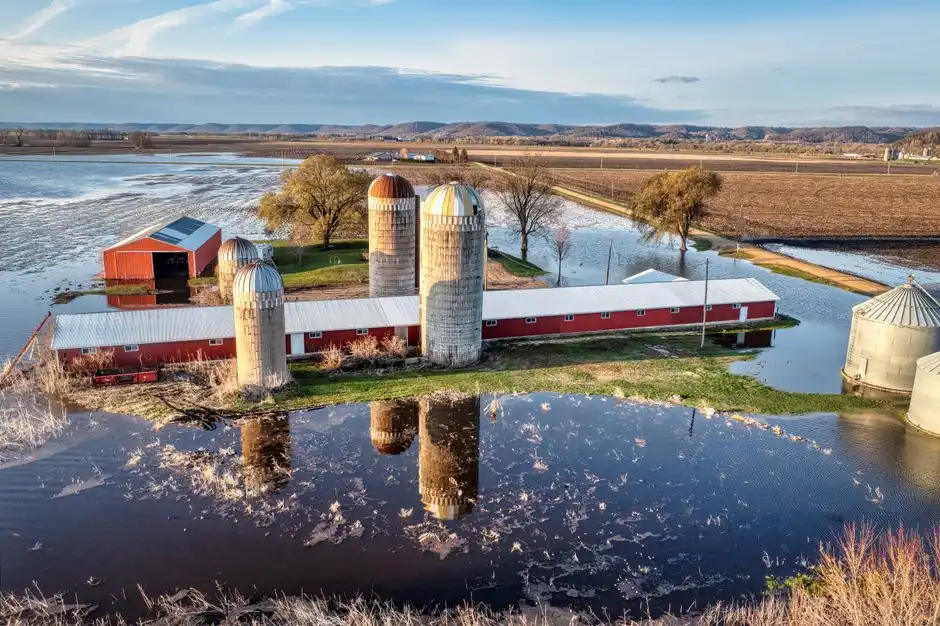
Water damage spreads through your home in minutes, not days. In Ohio, mold can begin growing within 24 to 48 hours of a leak, and structural materials like drywall and subfloor can start to swell and delaminate within hours. How fast does water damage spread why emergency extraction cant wait - the answer is simple: the longer water sits, the more it costs to fix. This post walks through the hour-by-hour water damage timeline in Ohio, what happens if you wait, and how our team stops the damage before it becomes a rebuild.
How Fast Does Water Damage Spread in Ohio Homes?
Water damage spreads at roughly one foot per hour horizontally through drywall and insulation, and it wicks upward through wall cavities almost as fast as it moves across the floor. In an Ohio home, a slow supply-line leak under a kitchen sink can saturate a 10-foot run of cabinetry and the subfloor beneath it in under six hours. A burst pipe on the second floor can push water into the ceiling below within 20 minutes.
How fast water damage spreads Ohio depends on three things: the source, the material, and how long the water has been running. A pressurized burst pipe releases 4 to 8 gallons per minute. A failed sump pump during a spring storm can dump hundreds of gallons into a finished basement overnight. Water damage timeline Ohio is not measured in days - it is measured in hours.
We have seen this play out across Water Damage Restoration in Alliance, where older housing stock and clay soil push groundwater into basements fast after a heavy rain. The same pattern shows up in every corner of the state.
The Water Damage Timeline: Hour by Hour
Here is what actually happens inside an Ohio home after water starts entering. The damage spread rate Ohio homeowners face is predictable - and that predictability is exactly why fast extraction works.
First 0-60 Minutes
Water soaks into carpet, pad, and hardwood. Carpet backing separates. Hardwood begins to cup at the edges. Drywall wicks moisture upward. If the water is from a clean supply line, the damage is still reversible with fast extraction and drying.
1-24 Hours
Drywall softens. Furniture finishes bleed. Metal fasteners and appliance bases start to rust. Musty odors appear as bacteria multiply. By hour 24, the window for a simple dry-out is closing.
24-48 Hours
Mold spores germinate. This is the critical threshold. Once mold takes hold in drywall paper, insulation, or wood framing, you are no longer drying a structure - you are remediating mold.
48 Hours to 1 Week
Structural swelling, warped floorboards, delaminated subfloor, and compromised joists. Restoration costs climb sharply. In some cases, materials must be removed and replaced rather than dried.
Beyond 1 Week
Extensive mold colonization, wood rot, and potential air-quality issues. This is the stage where a $2,000 dry-out becomes a $15,000 rebuild.
Why Can't Emergency Water Extraction Wait in Ohio?
Emergency water extraction cannot wait because every hour of standing water multiplies the damage and the cost. Extraction removes the bulk of the water so drying equipment can finish the job. Without it, water keeps wicking into materials that a dehumidifier alone cannot reach.
Why emergency water removal matters Ohio homeowners learn the hard way: standing water under a cabinet or behind a wall does not evaporate on its own. It feeds mold, rots framing, and destroys flooring from the bottom up. Our Emergency Water Extraction in Ohio crews pull the water out with truck-mounted and portable units, then set drying equipment the same day.
We also handle the sources that cause most of these calls. A failed supply line, a frozen pipe that splits in January, or a sump failure in a spring storm all lead to the same place: water where it should not be. When a pipe lets go, our Burst Pipe Water Cleanup in Ohio team shuts off the source, extracts the water, and dries the cavity before mold can start.
How Long Before Water Damage Causes Mold in Ohio?
Mold can begin growing in as little as 24 to 48 hours after water damage in Ohio. That range holds whether the water came from a burst pipe, a roof leak, or a basement flood. Mold needs three things: moisture, organic material, and a temperature between 40°F and 100°F. An Ohio home in any season provides all three.
What most homeowners miss is that mold does not need visible standing water. It needs moisture content above roughly 20% in drywall, wood, or insulation. A wall that feels dry to the touch can still be wet inside the cavity for weeks. That is why we use thermal imaging and pin-type moisture meters during every Water Damage Inspection and Moisture Detection in Ohio - to find the hidden moisture before it becomes a mold problem.
Once mold colonizes, the fix changes. You are no longer drying a structure; you are containing and removing contaminated materials. That is a bigger, slower, more expensive job - and it is entirely avoidable if extraction starts within the first day.
What Happens If Water Damage Is Not Extracted Quickly?
If water damage is not extracted quickly, the damage moves from cosmetic to structural. Here is the progression we see in Ohio homes when extraction is delayed past 48 hours:
- Flooring: Hardwood cups, crowns, and separates. Laminate and engineered wood delaminate. Carpet and pad must be replaced.
- Walls: Drywall softens, sags, and grows mold. Insulation loses R-value and must be removed.
- Framing: Studs, plates, and joists absorb water and begin to rot. Rot weakens load-bearing members.
- Air quality: Mold spores circulate through HVAC systems, spreading contamination to rooms that never saw water.
- Cost: A dry-out that would have run $1,500 to $3,500 in 2026 pricing can turn into a $10,000 to $25,000 rebuild.
We see the worst cases in finished basements. A failed sump pump during a July storm can put two inches of water across 800 square feet overnight. Without fast Basement Flood Cleanup in Ohio, that water destroys carpet, drywall, and anything stored on the floor - and it starts mold in the wall cavities behind the finished walls.
Common Mistakes Homeowners Make After a Leak
The mistakes that turn a manageable leak into a major loss are almost always the same. Watch for these:
- Waiting for the water to dry on its own. It will not. Water trapped in cavities and under flooring stays there for weeks.
- Using a shop vac and calling it done. A shop vac removes surface water but does nothing for the moisture inside walls and subfloor.
- Running a household fan. Box fans move air but cannot lower the moisture content of saturated materials. You need professional dehumidification.
- Assuming homeowners insurance will cover a slow leak. Most policies cover sudden bursts, not long-term seepage. Document everything and call us before you file.
- Ignoring the smell. A musty odor means mold is already growing. By the time you smell it, the clock has run out.
One more: do not turn the heat up to "dry things out." High heat without dehumidification can drive moisture deeper into materials and promote mold growth.
When to Call a Professional
Call a professional the moment water touches a material you cannot fully dry within 24 hours. That includes carpet, drywall, subfloor, insulation, and any finished basement. If the water came from a sewage backup, a storm surge, or a category 3 source, call immediately - that water is contaminated and requires protective equipment and disinfection.
Water Damage Restoration Pros Ohio handles extraction, structural drying, and moisture verification across the state. We arrive with truck-mounted extraction units, commercial dehumidifiers, and air movers sized to the job. We find the source, extract the water, dry the structure, and verify with meters before we leave. If the water is contaminated, we handle that too - our Sewage Backup Cleanup in Ohio team removes the waste, disinfects the space, and restores it safely.
If you are not sure whether you need help, call us. A 10-minute phone conversation is cheaper than a mold remediation bill.
Frequently Asked Questions
How fast does water damage spread in Ohio?
Water spreads horizontally through drywall and insulation at roughly one foot per hour and wicks upward through wall cavities almost as fast. A burst pipe can push water into the ceiling below within 20 minutes. Mold can begin in 24 to 48 hours.
Why can't emergency water extraction wait in Ohio?
Because every hour of standing water multiplies the damage. Extraction removes the bulk of the water so drying equipment can finish the job. Wait past 48 hours and you are likely dealing with mold, not just moisture.
How long before water damage causes mold in Ohio?
Mold can start growing in 24 to 48 hours after water damage. It needs moisture above roughly 20% in drywall, wood, or insulation. Hidden moisture inside a wall cavity can feed mold for weeks before you notice a smell.
What happens if water damage is not extracted quickly in Ohio?
Flooring cups and delaminates, drywall sags and grows mold, and framing begins to rot. A dry-out that would have cost $1,500 to $3,500 in 2026 pricing can turn into a $10,000 to $25,000 rebuild.
Does homeowners insurance cover emergency water extraction in Ohio?
Most Ohio policies cover sudden and accidental water damage, including burst pipes and appliance failures. Long-term seepage and neglected maintenance are usually excluded. We document the loss and work directly with your adjuster.
Get Help with Water Damage Restoration in Ohio
Water damage does not wait, and neither should you. Our team is ready to extract, dry, and restore your home before the damage spreads further. Call Water Damage Restoration Pros Ohio at (123) 456-7890 for fast, local help.