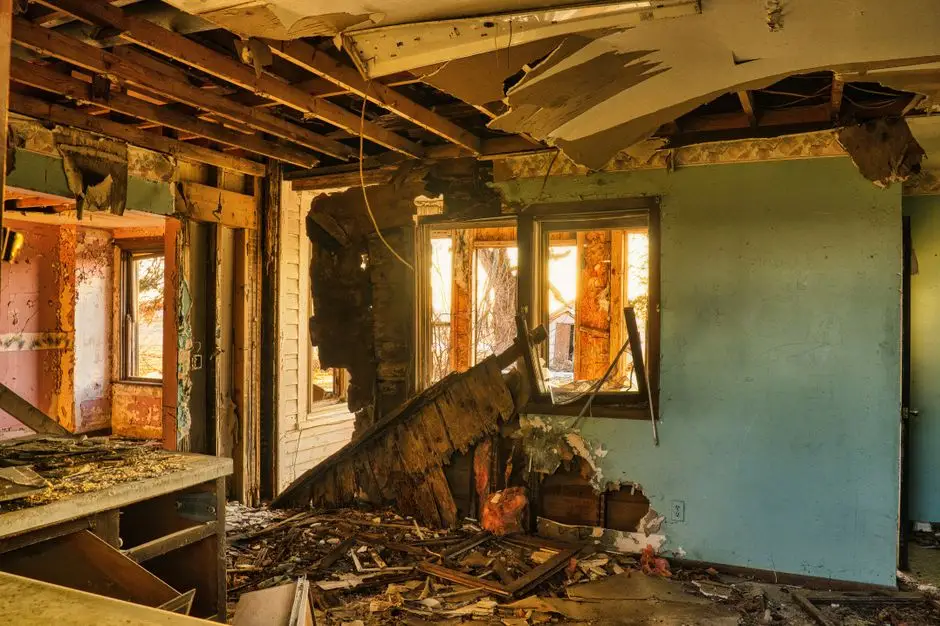
Source Identification
We trace the leak with a moisture meter and thermal imaging camera, then confirm with a boroscope camera inside the cavity. You get a straight answer on whether the source is a roof leak, supply line, drain, or condensation.
Every ceiling job starts with the same core scope: find the source, stop it, extract, dry, verify, and document. What changes is how much drywall and insulation has to come out. Here is what is included on a standard ceiling water damage call, and what we handle as an add-on when the damage runs deeper.
We trace the leak with a moisture meter and thermal imaging camera, then confirm with a boroscope camera inside the cavity. You get a straight answer on whether the source is a roof leak, supply line, drain, or condensation.
Standing water comes out with a truck-mounted water extractor or portable water pump. We vacuum residual moisture with a wet/dry vacuum and lay absorbent pads on finished floors to prevent warping while the ceiling dries.
Air movers and dehumidifiers are positioned to push dry air through the ceiling cavity. We size the equipment to the cubic footage, not a one-size-fits-all package, and monitor with a hygrometer every 24 hours.
Affected framing and drywall edges get treated with antimicrobial solutions. If mold growth is already visible, we step up to mold remediation chemicals and follow Ohio Department of Health mold remediation protocols.
Photos, moisture maps, and an Xactimate estimate go into a file you can hand your adjuster. This is the paperwork that gets claims approved, and we build it on every job, not just the big ones.
Ceiling Water Damage Cleanup is the process of stopping an overhead water source, extracting standing water, and drying the ceiling cavity, joists, and insulation before mold colonizes. Water travels along drywall seams and pools where you cannot see it, so we use a moisture meter and thermal imaging camera to map the wet zone, then a boroscope camera to inspect inside the cavity. Drywall that has sagged or crumbled gets removed; framing gets dried with air movers and dehumidifiers until readings match a dry standard.
Ohio homes take ceiling water damage from three directions: ice dams and roof leaks in winter, burst pipes during hard freezes, and storm-driven rain in spring and fall. Older housing stock in towns like Mount Vernon and Chillicothe often hides galvanized supply lines and undersized attic insulation, which makes ceiling leak cleanup in Ohio after storm damage more involved than a simple mop-up. If you spot a brown ring spreading across the paint, that is a leak you have had for weeks, not hours.
Five steps, one crew, and a dry ceiling at the end. Here is exactly what happens from the first phone call to the final moisture reading.
Schedule
Call or book online — a real human picks up and confirms a 2-hour arrival window.
Diagnose
Licensed tech inspects on-site, then walks you through the cause and your options.
Fix
The job is completed to code and done right the first time — no shortcuts, no surprises.
Guarantee
Every job backed by a written workmanship warranty — and we stand behind it.
Truck-Mounted Water Extractor
Pulls large volumes of standing water out of ceilings and floors fast. The truck mount generates stronger suction than portable units, which cuts extraction time on heavy losses.
Thermal Imaging Camera
Reveals temperature differences that expose hidden moisture behind drywall and inside ceiling cavities. We use it to map the wet zone before we cut anything.
Moisture Meter and Hygrometer
The moisture meter reads water content in drywall and framing; the hygrometer reads relative humidity in the air. Together they tell us when the cavity has hit dry standard.
Boroscope Camera
A thin camera that goes inside the ceiling cavity through a small hole. It lets us inspect joists and insulation without tearing out a full section of drywall.
Dri-Eaz and Phoenix Restoration Equipment
Our air movers and dehumidifiers come from Dri-Eaz and Phoenix Restoration Equipment. Both brands produce readings that hold up in an insurance file and dry ceilings faster than box-store rentals.
IICRC S500 Standard
We follow the IICRC S500 standard for water damage restoration, which sets the drying goals, equipment sizing, and documentation requirements your adjuster expects. It is the difference between a ceiling that is dry and a ceiling that only feels dry.
Moisture Mapping
Before we cut, we map the wet zone with a thermal imaging camera and moisture meter. That map drives where we place air movers and how long we run them, so we dry the whole cavity instead of just the visible stain.
Antimicrobial Application
Framing and drywall edges get treated with antimicrobial solutions after extraction. On ceilings with visible mold, we escalate to mold remediation chemicals and follow Ohio Department of Health mold remediation protocols.
Daily Drying Verification
Every 24 hours we re-check moisture content with a hygrometer and moisture meter. Equipment stays until the numbers hit dry standard, and you get the readings in your final report.
01
What we do: We tarp the roof breach, extract water from the ceiling, and set up air movers and dehumidifiers to dry the cavity. Thermal imaging confirms the wet zone so we do not miss water that traveled along a joist.
→ Ceiling dried to standard in 72 hours, drywall patched and painted, and the storm loss documented for an approved insurance claim.
02
What we do: We shut off the supply line, extract standing water with a truck-mounted extractor, and open the ceiling to dry the framing. A portable water pump clears any floor pooling before it reaches cabinetry.
→ No cabinet damage, no mold, and the ceiling back to paint-ready within four days.
03
What we do: We extract the water, check the ceiling cavity with a boroscope camera, and dry the joists and insulation. Antimicrobial solutions go on the framing to stop mold before it starts.
→ Ceiling dried without full tear-out, saving the homeowner the cost of replacing an entire ceiling assembly.
04
What we do: We worked after hours to extract water, dry the ceiling tiles and grid, and document the loss with an Xactimate estimate. No disruption to business hours.
→ Ceiling restored and the claim approved without a tenant complaint or a single lost sales day.
Ohio ceilings fail in predictable ways depending on the season. January and February bring frozen pipes and ice dams, which push water through roof flashing and into ceiling assemblies across northern cities like Beachwood and Avon Lake. Spring and fall storms drive rain sideways through aging shingles, and summer humidity slows drying unless we run desiccant dehumidifiers instead of refrigerant units. Older housing stock in Chillicothe, Mount Vernon, and Harrison often has plaster ceilings over wood lath, which holds water longer than modern drywall and needs a longer drying cycle. We also work in plenty of newer builds with engineered trusses and blown-in insulation, where water channels along the bottom chord and shows up far from the original leak. For ceiling leak cleanup in Ohio after storm damage, we document the loss the same day so your adjuster sees the moisture map before the evidence dries out. If you need Ohio Ceiling Water Damage Cleanup company for burst pipes, call and we will route the closest crew.
Beachwood
Mid-century homes with original plaster ceilings and older supply lines. We see a lot of ceiling leaks from second-floor bathrooms in these houses.
Chillicothe
Historic downtown buildings and older housing stock with galvanized plumbing. Ceiling cavities here often need longer drying cycles than modern construction.
Harrison
Mix of rural and suburban properties where well systems and long supply runs make burst pipe ceiling damage more common in hard freezes.
Mount Vernon
Older homes near the Kokosing River corridor with steep rooflines that shed ice dams directly onto ceiling assemblies in winter.
Powell
Newer construction with engineered trusses and blown-in insulation. Water travels along the truss chord, so the stain shows up rooms away from the leak.
Hard freezes that burst supply lines above ceilings
Pipes in exterior walls and unheated attics freeze first. When they split, water dumps into the ceiling cavity at 4 to 8 gallons per minute, saturating drywall and insulation within hours.
Ice dams along roof eaves
Meltwater backs up under shingles and drips into ceiling assemblies. By the time the stain appears, the leak has usually been active for days and the cavity insulation is compressed.
Summer humidity that slows cavity drying
Ohio summers push relative humidity above 70 percent, which stalls refrigerant dehumidifiers. We switch to desiccant units so ceiling cavities still hit dry standard in 72 to 96 hours.
Aging galvanized and cast-iron plumbing
Older Ohio homes have supply and drain lines past their service life. Ceiling leaks from these systems tend to be slow and hidden, which means more mold risk by the time you notice.
Most ceiling damage we see started small and got ignored. These are the four calls that fill our schedule, and what happens when they are handled the same day instead of next month.
Problem
A ring means water has been migrating through the drywall for weeks. Left alone, the drywall sags, insulation compresses, and mold colonizes the cavity within 24 to 48 hours of the leak going active.
Our Fix
We trace the ring back to its source with a moisture meter, extract any standing water, and dry the cavity with air movers and dehumidifiers. If the drywall has lost structural integrity, we cut it out, dry the framing, and patch it back to paint-ready.
Problem
Storm-driven rain and winter ice dams push water through flashing and into the ceiling assembly. Without fast extraction, that water wicks into joists and wall cavities, turning a roof repair into a full-room restoration.
Our Fix
Our crews tarp the roof breach, extract water from the ceiling, and set up structural drying. We document the storm loss for insurance and coordinate with your roofer so the repair happens after the ceiling is dry, not before.
Problem
A burst supply line above a ceiling can release 4 to 8 gallons per minute. By morning, the drywall is saturated, the floor below is wet, and the risk of mold growth jumps sharply.
Our Fix
We shut the line, extract standing water, and open the ceiling cavity to dry the joists and insulation. A portable water pump handles any pooling on the floor, and dehumidifiers pull moisture out of the air before it spreads to other rooms.
Problem
When a second-floor drain backs up, the ceiling below is contaminated, not just wet. Porous materials like drywall and insulation cannot be sanitized and must be removed to prevent bacterial exposure.
Our Fix
We treat the area with antimicrobial solutions, remove contaminated drywall and insulation, and dispose of it per Ohio Department of Health guidelines. After drying and sanitizing, we rebuild the ceiling and verify with a final moisture check.
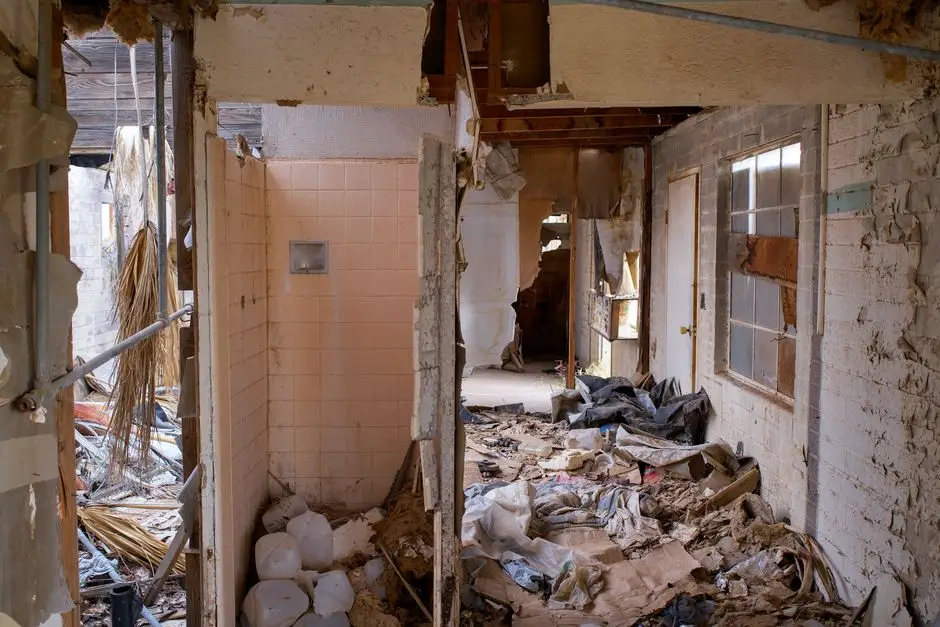
Ceiling water damage gets worse by the hour. Here is what you get when you call instead of waiting to see if it dries on its own.
Dry in Three Days
Most ceilings hit dry standard in 72 to 96 hours with proper airflow. We place air movers and dehumidifiers on day one, take hygrometer readings every 24 hours, and pull equipment only when the numbers say the cavity is dry, not when the calendar says so.
Mold Stopped Early
Mold can start colonizing wet drywall in 24 to 48 hours. Our technicians apply antimicrobial solutions to affected framing and treat the cavity with mold remediation chemicals where needed, which is far cheaper than tearing out a finished ceiling six weeks from now.
Insurance Paperwork Handled
We document the loss with photos, moisture maps, and an Xactimate estimate your adjuster already recognizes. That means fewer back-and-forth emails, fewer denied line items, and a repair scope that matches what the ceiling actually needs.
No Surprise Pricing
You get a written scope and price before we cut a single piece of drywall. Typical 2026 ceiling water damage repair Ohio jobs run $350 to $1,800 depending on square footage, insulation, and whether the source was a supply line or a roof leak.
Google ★★★★★4.9
Called at 11 p.m. about a ceiling leak from a burst pipe. Crew was at the house in about an hour, shut the water off, and had the ceiling opened and drying by 1 a.m. Daily moisture checks and a clean patch job. Exactly what you want.
Yelp ★★★★★4.8
They handled a storm-driven ceiling leak in our Mount Vernon home. Thermal camera found water that had traveled two joists over from the stain. Dried it all, documented everything for insurance, and the claim went through without a fight.
BBB ★★★★★4.9
We manage several commercial properties and use them for ceiling leak cleanup in Ohio for commercial buildings. They work after hours, keep tenants happy, and their Xactimate estimates match what the adjuster expects. Reliable.
Water Damage Restoration Pros Ohio covers the whole state, with dispatch hubs positioned so ceiling leak cleanup Ohio customers get a crew fast no matter where they live. From Cuyahoga County suburbs to Ross County farmhouses, we handle the same scope: find the source, extract, dry to verified standard, and document the loss. Here are a few of the communities we serve regularly.
Beachwood's mid-century homes often have plaster ceilings and original supply lines. We dry those cavities longer and check for hidden leaks behind bathroom walls before we patch.
Chillicothe's older housing stock and historic downtown buildings mean galvanized plumbing and slow ceiling leaks. We use thermal imaging to find the source before it spreads.
Harrison properties mix rural wells and long supply runs, so burst pipe ceiling damage shows up fast in hard freezes. We respond 24/7 and dry the cavity the same day.
Mount Vernon's steep rooflines shed ice dams straight into ceiling assemblies each winter. We extract, dry, and document the loss for your insurance claim.
Powell's newer construction uses engineered trusses that channel water along the bottom chord. We trace the leak with a boroscope camera so the stain does not fool us.
Real experiences from customers who chose our Ceiling Water Damage Cleanup services.
“A pipe froze above our kitchen and the ceiling was sagging by morning. The crew arrived in about an hour, cut a clean inspection hole, and had air movers running before lunch. They checked moisture readings every day and showed me the numbers. Drywall was patched and painted by day five. No mold, no drama.”
Denise R.
Homeowner, Beachwood
“We had a second-floor unit leak into a commercial space below. They handled the ceiling leak cleanup in Ohio for commercial buildings without shutting us down, working evenings so tenants were not disrupted. The Xactimate documentation made the insurance side painless.”
Marcus T.
Property Manager, Chillicothe
“I thought the brown ring on my ceiling was old. They used a thermal camera and found an active roof leak. Extracted the water, dried the cavity for three days, and coordinated with a roofer. Honest about what needed replacing and what did not. Price matched the estimate exactly.”
Karen L.
Homeowner, Powell
Real answers to the questions we hear most often from local homeowners and property managers.
When a ceiling leak dumps water into the room below, extraction comes first. We pull standing water with a truck-mounted extractor before ceiling drying begins, which prevents the floor from warping while the cavity dries.
View Emergency Water ExtractionStorm flooding often enters through the roof and shows up as ceiling damage. We handle both ends of the loss, extracting ground-level water and drying overhead cavities in the same visit so nothing gets missed.
View Flood Damage CleanupCeiling leaks and basement flooding frequently come from the same burst pipe. We dry both levels at once, using separate dehumidifier setups so the basement moisture does not migrate back into the ceiling cavity.
View Basement Flood CleanupA burst supply line above a ceiling is the most common cause of overhead water damage we see. We shut the line, extract, and dry the cavity, then coordinate the plumbing repair so the ceiling does not get soaked twice.
View Burst Pipe Water CleanupWhen a second-floor toilet or drain backs up, the ceiling below is contaminated, not just wet. We treat those ceilings with antimicrobial solutions and remove porous materials that cannot be sanitized, following Ohio Department of Health guidelines.
View Sewage Backup CleanupOhio storms drive rain through failing roof flashing and into ceiling assemblies. We tarp, extract, and dry, then document the storm loss for your insurance claim with photos and moisture readings.
View Storm Damage Water RemovalCall our 24/7 dispatch line and a live person answers, not a machine. We schedule emergency crews around the clock and routine inspections during business hours. Whether you are in Cleveland, Columbus, Cincinnati, or a small town in between, we will get a technician moving to your address and keep you posted on the ETA.
Phone
(123) 456-7890Address
Ohio
Hours
Mon–Fri: 7AM – 7PM
Sat: 8AM – 4PM
Sun: Emergency Only
24/7 Emergency Available